Unlock the Vibrant Goodness: Mastering How to Juice Carrots (Zero Waste Edition)
Forget store-bought concoctions; the unparalleled freshness and nutritional punch of homemade carrot juice are simply unbeatable. If you've ever wondered how to juice carrots effectively, whether you own a dedicated juicer or a high-speed blender, you're in the right place. This comprehensive guide goes beyond the basic pour-and-sip, delving into smart preparation, innovative add-ins, and a treasure trove of zero-waste tips to ensure not a single part of your beloved root vegetable goes to waste. Embrace a healthier lifestyle and a more sustainable kitchen as we transform humble carrots into a liquid gold and so much more.Mastering the Art of Homemade Carrot Juice: Juicer vs. Blender
Creating delicious, nutrient-dense carrot juice at home is surprisingly straightforward, and you don't necessarily need fancy equipment. The method you choose largely depends on the tools you have and your preference for texture and yield.Juicing Carrots with a Dedicated Juicer
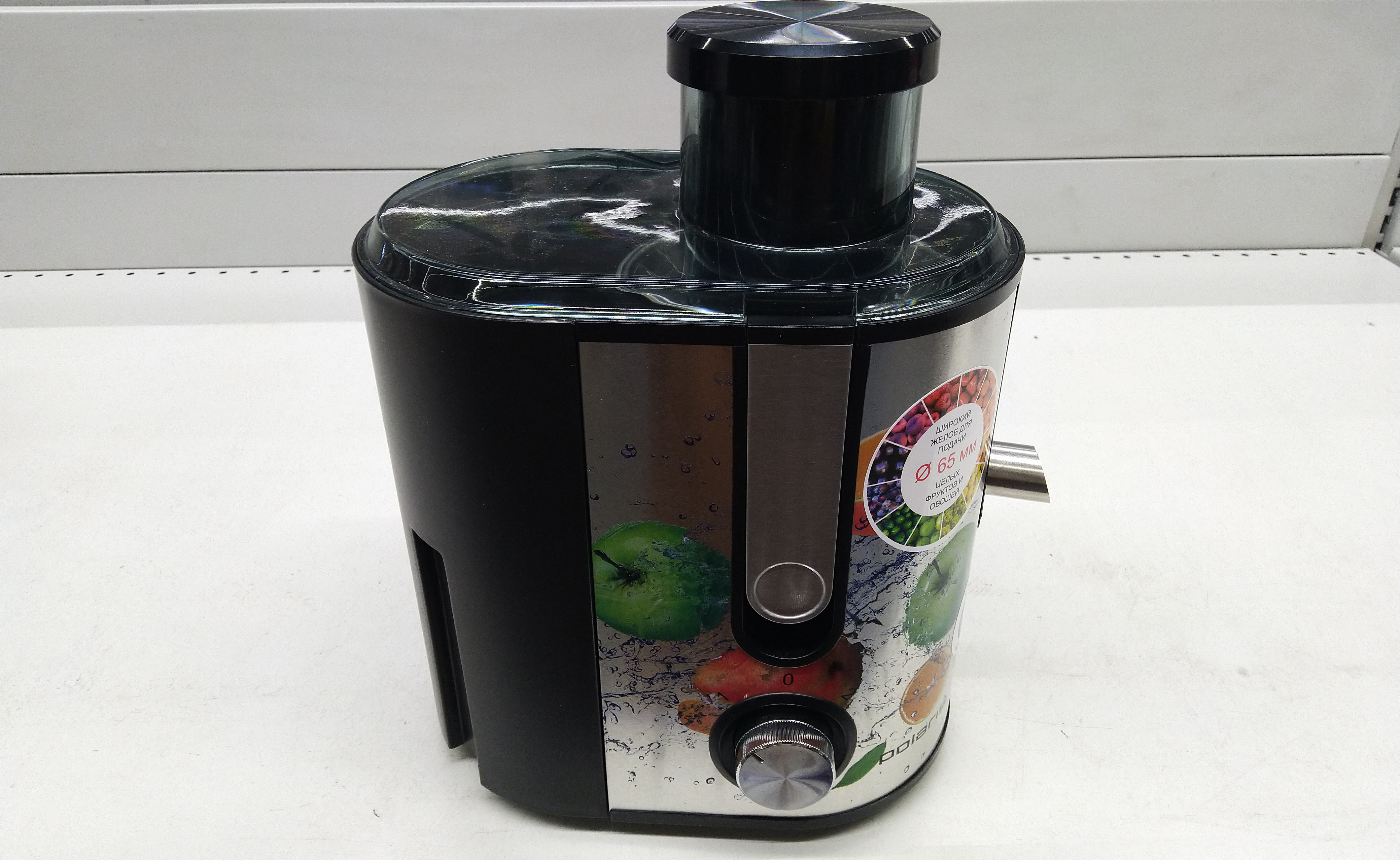
For optimal clarity and yield, a juicer is your best friend. It efficiently separates the liquid from the fibrous pulp, giving you a smooth, bright drink.Preparation is Key: Begin by thoroughly scrubbing your carrots under cold running water. If you're using organic carrots, you can absolutely leave the skins on – they contain valuable nutrients and contribute to a richer flavor profile. However, if you prefer a sweeter, brighter juice, or are using non-organic carrots, peeling them is a good option. A pro tip for efficiency: clean your entire bunch of carrots as soon as you bring them home, storing them ready for quick use throughout the week.
The Juicing Process: Once clean, chop your carrots into pieces small enough to comfortably fit your juicer's feed chute. As you feed them through, the machine will extract the vibrant orange liquid. Remember that consuming your fresh juice immediately is best for maximum nutrient retention, though it can be stored. For a deeper dive into the mechanics and comparative advantages of each method, explore our dedicated guide: Homemade Carrot Juice: Juicer & Blender Methods Explained.
Making Carrot Juice in a High-Speed Blender
Don't have a juicer? No problem! A powerful high-speed blender can also produce fantastic carrot juice, albeit with an extra straining step.Blender Prep: Peel and chop your carrots into smaller, roughly 1-2 inch pieces. This helps your blender process them more easily. Add the chopped carrots to your blender along with a small amount of water – typically 1/4 to 1/2 cup for a standard batch. The water is crucial to help the blades break down the tough carrot fibers without excessively diluting the final juice.
Blend and Strain: Blend on high speed until the mixture is completely pureed into a thick, smoothie-like consistency. Now comes the straining. You have a couple of options:
- Fine-Mesh Sieve: Place a fine-mesh sieve over a bowl. Pour the blended carrot mixture into the sieve and use a spoon or spatula to press against the solids, forcing the liquid through. This method might require a little patience.
- Nut Milk Bag: For a more efficient and less messy process, pour the blended mixture into a clean nut milk bag. Gather the top of the bag and gently squeeze the liquid out into a bowl. This method often yields a clearer juice with less effort.
Maximizing Flavor & Nutritional Impact: Smart Add-ins and Storage
While pure carrot juice is delightful on its own, experimenting with complementary ingredients can elevate its flavor profile and boost its nutritional density. Knowing how to juice carrots is just the beginning; knowing how to make them even better is the next step!Creative Add-Ins for Enhanced Flavor and Benefits
Carrots are incredibly versatile and pair well with a variety of fruits, vegetables, herbs, and spices.- Sweetness and Balance: A touch of apple or orange can naturally sweeten the juice and add complexity. We recommend starting with an 80% carrot, 20% fruit ratio to maintain a lower sugar content while still enjoying a delightful sweetness. Pineapple is another fantastic tropical addition.
- Veggies for Extra Goodness: Celery and cucumber offer a refreshing, slightly herbaceous note and contribute to hydration. Beetroot adds an earthy depth and a stunning color.
- Citrus Zing: A squeeze of lemon or lime brightens the entire juice, cutting through the sweetness and adding a powerful dose of Vitamin C.
- Herbal Freshness: Fresh herbs like basil, mint, or parsley introduce an unexpected layer of aroma and flavor.
- Spicy Kick: A pinch of cinnamon, a dash of cayenne pepper, or a small piece of fresh ginger can provide a warming, invigorating finish and offer additional digestive benefits.
Optimal Storage for Freshness and Nutrients
Homemade carrot juice is best enjoyed immediately after preparation to receive the highest concentration of vitamins, minerals, and enzymes. However, if you have leftovers:- Refrigeration: Store leftover juice in an airtight container in the fridge for up to two days. To minimize oxidation and preserve freshness, fill the container to the very top, leaving as little air as possible.
- Freezing: You can freeze carrot juice in ice cube trays or airtight containers for longer storage (up to 3 months). Be aware that upon thawing, the juice may separate. While still safe to consume, its texture might change, making it best suited for culinary uses like adding to dressings, sauces, stocks, or smoothies, rather than drinking straight.
Beyond the Glass: Creative Zero-Waste Carrot Pulp Recipes
One of the most rewarding aspects of learning how to juice carrots at home is the opportunity to embrace a truly zero-waste kitchen. The fibrous pulp, often discarded, is a nutritional powerhouse brimming with fiber and residual nutrients. Don't throw it away! It's a versatile ingredient that can be transformed into a myriad of delicious creations.Savory Pulp Delights:
- Vegetable Broth Booster: Add carrot pulp to your homemade vegetable stocks or broths for extra flavor, body, and nutrients.
- Savory Crackers: Mix pulp with flax seeds, water, and your favorite herbs and spices (like rosemary, thyme, or smoked paprika), spread thinly on a baking sheet, and bake at a low temperature until crispy for healthy, fiber-rich crackers.
- Veggie Burgers or Meatloaf: Incorporate pulp into your homemade veggie burger patties or meatloaf mixture to add moisture, fiber, and an earthy flavor.
- Thicken Soups and Stews: Stir a few spoonfuls of pulp into your favorite soups or stews for added thickness and a nutritional boost. It works wonders in lentil soup or a hearty minestrone.
- Pasta Sauce Secret Ingredient: Blend pulp into tomato-based pasta sauces for added depth and vegetable content, especially beneficial for picky eaters.
Sweet Pulp Treats:
- Baked Goods Extra: Carrot pulp is a natural fit for carrot cake, muffins, quick breads, and even pancakes. It adds moisture, texture, and a gentle sweetness.
- Energy Bites: Combine pulp with oats, nut butter, honey or maple syrup, and spices like cinnamon for quick, no-bake energy balls.
- Breakfast Boost: Stir a tablespoon or two of pulp into your morning oatmeal, yogurt, or smoothie for an instant fiber upgrade.
Don't Forget the Carrot Tops!
If your carrots come with their vibrant green tops, these are also edible and shouldn't be wasted. Carrot greens have a slightly bitter, earthy flavor similar to parsley or celery leaves.- Carrot-Top Pesto: Blend fresh carrot tops with garlic, toasted nuts (walnuts or pine nuts work well), Parmesan cheese, lemon juice, and olive oil for a unique and flavorful pesto. Serve it over pasta, spread it on sandwiches, or use it as a dip.
- Garnish or Stock: Use finely chopped carrot tops as a garnish for soups and salads, or add them to your vegetable stock for an extra layer of flavor.
Remember, leftover pulp can also be frozen in small batches, making it convenient to grab a portion whenever inspiration strikes for a zero-waste recipe.
Unlock the Goodness: Health Benefits and Mindful Consumption
Beyond its delicious taste and versatility, carrot juice is a powerhouse of nutrition. Understanding how to juice carrots and incorporate them into your diet can bring a wealth of health advantages.The Abundant Health Benefits
Carrot juice is renowned for its high concentration of beta-carotene, a powerful antioxidant that the body converts into Vitamin A. This crucial vitamin plays a vital role in several bodily functions:- Vision Health: Vitamin A is essential for good eyesight, particularly night vision, and helps protect against age-related macular degeneration.
- Immune Support: The antioxidants in carrot juice help bolster the immune system, protecting the body from free radical damage and supporting overall cellular health.
- Skin Radiance: Vitamin A and other antioxidants contribute to healthy, glowing skin, aiding in cell regeneration and providing a natural defense against environmental stressors.
- Heart Health: Studies suggest that the potassium and antioxidants in carrots may support cardiovascular health by helping to regulate blood pressure and cholesterol levels.
- Digestive Aid: While juicing removes much of the fiber, the remaining soluble fiber and enzymes can still aid digestion and promote gut health.
For an in-depth exploration of the myriad benefits and how to craft low-sugar, energy-boosting recipes, be sure to check out: Carrot Juice Benefits: Boost Energy with Low-Sugar Recipes.
