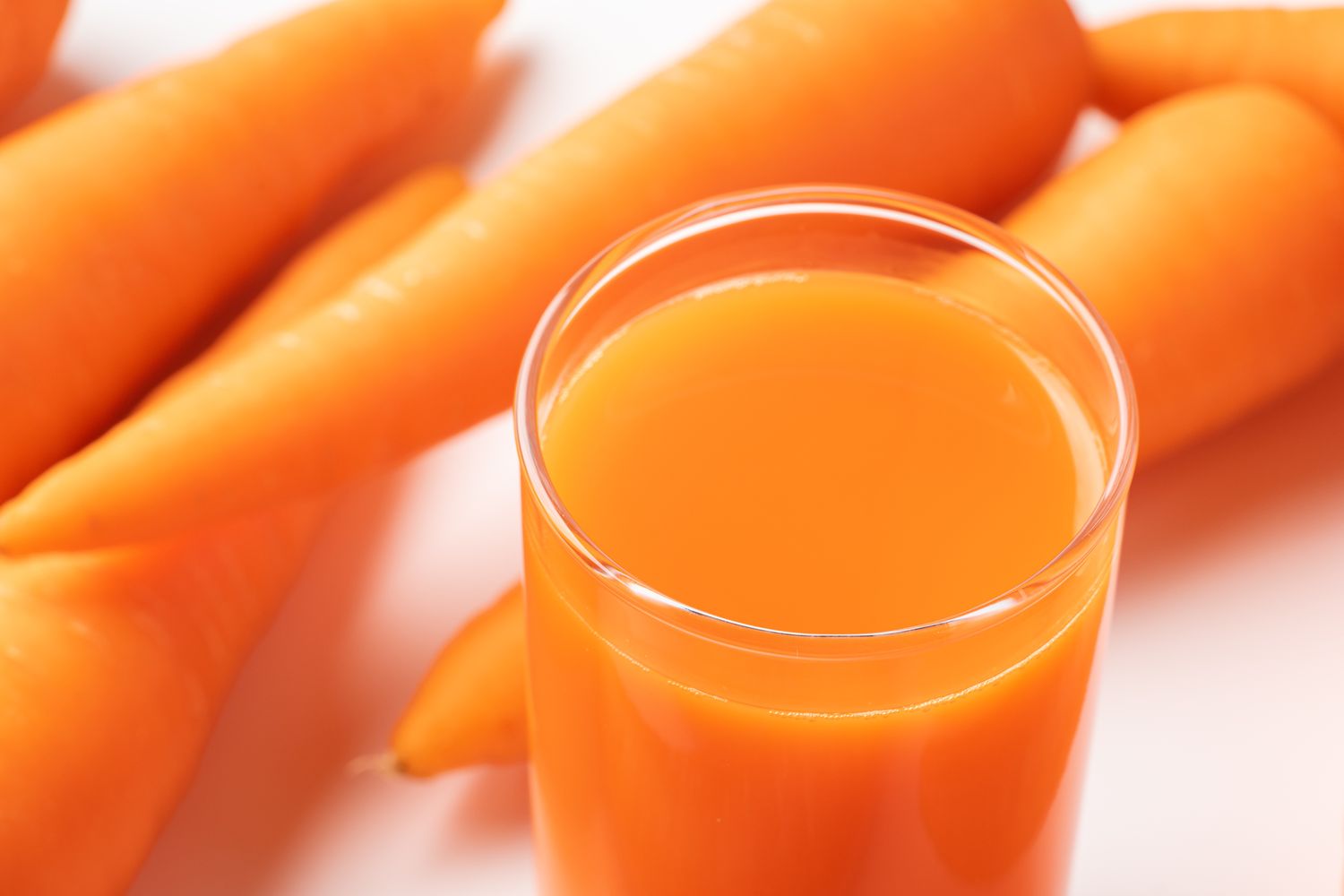
Carrot Juice Benefits: Boost Energy with Low-Sugar Recipes
In a world constantly seeking natural energy boosts and healthier living, carrot juice stands out as a vibrant, nutrient-dense beverage. Far from being just a simple vegetable drink, it's a powerhouse of vitamins, minerals, and antioxidants, offering a sustained energy lift without the sugar crash associated with many fruit-heavy juices. If you're looking to revitalize your routine and discover a delicious way to enhance your well-being, learning
how to juice carrots at home is an excellent first step. This guide will walk you through everything you need to know, from preparation methods to creative low-sugar recipes and even zero-waste tips.
The Power of Carrots: Why Juice?
Carrots are celebrated for their distinctive color and sweet, earthy flavor, but their nutritional profile is where they truly shine. Packed with beta-carotene (which your body converts to Vitamin A), Vitamin K, Vitamin C, and various B-vitamins, as well as minerals like potassium, carrot juice delivers a potent dose of health benefits.
Juicing carrots offers an efficient way to absorb these nutrients. When you juice, the fibrous pulp is removed, allowing your digestive system to more easily assimilate the vitamins and minerals. This can lead to:
*
Sustained Energy: Unlike high-sugar drinks, carrot juice, especially when kept low-sugar, provides a steady release of energy, helping to combat fatigue and improve focus throughout your day. Its natural sugars are balanced by its nutrient density.
*
Immune Support: The high Vitamin C content helps bolster your immune system, while antioxidants fight off free radicals, protecting your cells from damage.
*
Enhanced Eye Health: Rich in beta-carotene, carrot juice is famously good for vision, contributing to improved night vision and overall eye health.
*
Radiant Skin: Antioxidants and Vitamin C promote healthy skin, contributing to a natural glow and potentially aiding in skin repair.
*
Digestive Ease: While removing fiber, the liquid nutrients can still support a healthy gut by providing essential compounds that aid bodily functions.
Focusing on low-sugar recipes is key to maximizing these benefits, preventing blood sugar spikes, and ensuring you get consistent energy without the unwelcome side effects of excessive fruit sugar.
Making fresh carrot juice at home is surprisingly simple, whether you own a dedicated juicer or a high-speed blender. The process ensures you get the freshest, most nutrient-rich beverage possible.
Preparation: The Essential First Steps
Regardless of your chosen method, proper preparation sets the stage for delicious juice.
1.
Clean Your Carrots: Thoroughly scrub the outside of your carrots under running water. If you're using organic carrots, you can often leave the skin on, as it contains beneficial nutrients. For non-organic carrots, or if you prefer a brighter, sweeter juice, peeling is recommended.
Pro Tip: Washing a batch of carrots right after buying them and storing them clean saves time for quick juicing later!
2.
Chop for Your Device: Prepare your carrots according to your equipment.
Method 1: Using a Juicer
For those with a juicer, this is the most straightforward way to extract pure carrot liquid.
1.
Size Matters: Chop your cleaned carrots into pieces that fit comfortably into your juicer's feed chute.
2.
Feed and Extract: Turn on your juicer and steadily feed the carrot pieces through the chute. The juicer will separate the juice from the pulp, delivering a smooth, concentrated liquid.
3.
Enjoy Immediately: For maximum nutrient content, consume your freshly pressed carrot juice right away.
Method 2: Using a High-Speed Blender
Don't have a juicer? A powerful blender can do the job with a little extra straining.
1.
Peel and Chop: Peel your carrots (optional, but recommended for smoother blending) and chop them into 1-2 inch pieces.
2.
Blend with Minimal Water: Add the chopped carrots to your high-speed blender. Crucially, add just enough water (about 1/4 to 1/2 cup for a standard batch of carrots) to help the blades work without excessively diluting your juice.
3.
Puree Until Smooth: Blend on high until the carrots are pureed into a thick, uniform smoothie-like consistency.
4.
Strain for Juice: This is where the magic happens.
*
Fine-Mesh Sieve: Place a fine-mesh sieve over a bowl. Pour the carrot puree into the sieve and use a spoon or spatula to press the liquid through, leaving the pulp behind.
*
Nut Milk Bag: For an even more efficient and pulp-free result, pour the puree into a clean nut milk bag. Gather the top of the bag and gently but firmly squeeze the liquid out into a bowl.
5.
Serve: Enjoy your fresh, homemade carrot juice!
For a deeper dive into the specifics of each method, including tips for getting the best yield and consistency, be sure to check out
Homemade Carrot Juice: Juicer & Blender Methods Explained.
Elevating Your Carrot Juice: Low-Sugar Combinations & Flavor Boosters
While pure carrot juice is delicious, experimenting with add-ins can enhance both flavor and nutrient profiles. The key to maintaining its low-sugar appeal is to pair carrots with other vegetables or minimal amounts of low-sugar fruits.
*
The 80/20 Rule: A fantastic starting point for balanced, low-sugar juice is an 80% carrot, 20% complementary ingredient ratio.
*
Balanced Sweetness: Combine with a small apple or half an orange. These fruits offer natural sweetness without overwhelming the low-sugar goal.
*
Green Power: Blend with celery, cucumber, spinach, or kale for an extra boost of vitamins and minerals. Celery and cucumber add hydrating properties and a crisp finish without significant sugar.
*
Citrus Zing: A squeeze of lemon or lime brightens the flavor, adds Vitamin C, and can cut through the earthiness of carrots.
*
Herbal Freshness: Fresh herbs like mint, basil, or parsley contribute unique aromas and additional micronutrients. Mint is particularly refreshing.
*
Spicy Kick: A small piece of fresh ginger adds a warm, zesty note and aids digestion. A tiny pinch of cayenne pepper can give your juice a metabolism-boosting kick.
By carefully selecting your additions, you can create a personalized energy-boosting, low-sugar drink that tantalizes your taste buds and supports your health goals. Remember, if blood sugar stability is a priority, steer clear of milk-based versions and focus on whole-food vegetable combinations.
One of the often-overlooked benefits of making carrot juice at home is the opportunity for zero-waste practices. Don't let anything go to waste!
Utilizing Carrot Pulp
The fibrous pulp left over from juicing is a treasure trove of fiber and residual nutrients. Instead of discarding it, transform it into delicious additions to your meals:
*
Smoothie Boost: Add a spoonful or two of pulp to your morning smoothie for extra fiber.
*
Baked Goods: Incorporate pulp into muffins, quick breads, cookies, or even carrot cake for added moisture and nutritional value. It's a fantastic way to subtly increase fiber intake.
*
Savory Dishes: Mix pulp into homemade vegetable broths, add it to ground meat for burgers or meatloaf, or stir it into omelets and frittatas.
*
Snacks: Dehydrate pulp with spices to make savory crackers, or blend it into homemade hummus for a unique twist.
*
Carrot Salads: Combine fresh pulp with a light dressing, nuts, and raisins for a simple, healthy side dish.
Don't Forget the Tops!
If your carrots came with their leafy green tops, don't throw them away! Carrot tops are edible and surprisingly flavorful. They can be used to make a vibrant, earthy pesto. Simply blend them with garlic, pine nuts (or walnuts), Parmesan cheese (optional), lemon juice, and olive oil for a unique sauce perfect for pasta, sandwiches, or as a dip.
For more detailed recipes and innovative ideas to make the most of your juicing byproducts, explore
Beyond Basic Carrot Juice: Zero Waste Tips & Pulp Recipes.
Storage Guidelines
While fresh is best, you can store leftover carrot juice:
*
Refrigeration: Store juice in an airtight container in the refrigerator for up to two days. Note that nutrient content may slightly diminish over time.
*
Freezing: Carrot juice can be frozen, but it tends to separate upon thawing, affecting its texture. For this reason, frozen carrot juice is best reserved for culinary uses like enriching soups, stews, dressings, or stocks rather than drinking straight.
A Note on Pigmentation: Carrots are high in carotenoids. While incredibly beneficial, consuming very large quantities of carrot juice daily can, in rare cases, lead to a temporary orange tint to your skin (carotenemia). Enjoy your carrot juice in moderation as part of a balanced diet!
Conclusion
Carrot juice is more than just a sweet drink; it's a versatile, low-sugar powerhouse that can significantly contribute to your energy levels and overall health. Learning
how to juice carrots at home, whether with a juicer or a blender, opens up a world of fresh flavors and nutritional benefits. By embracing low-sugar combinations and smart, zero-waste practices, you can make this vibrant beverage a cherished part of your wellness journey, providing you with a delicious, natural boost whenever you need it most. So, grab some carrots, and start juicing your way to sustained energy and vitality!